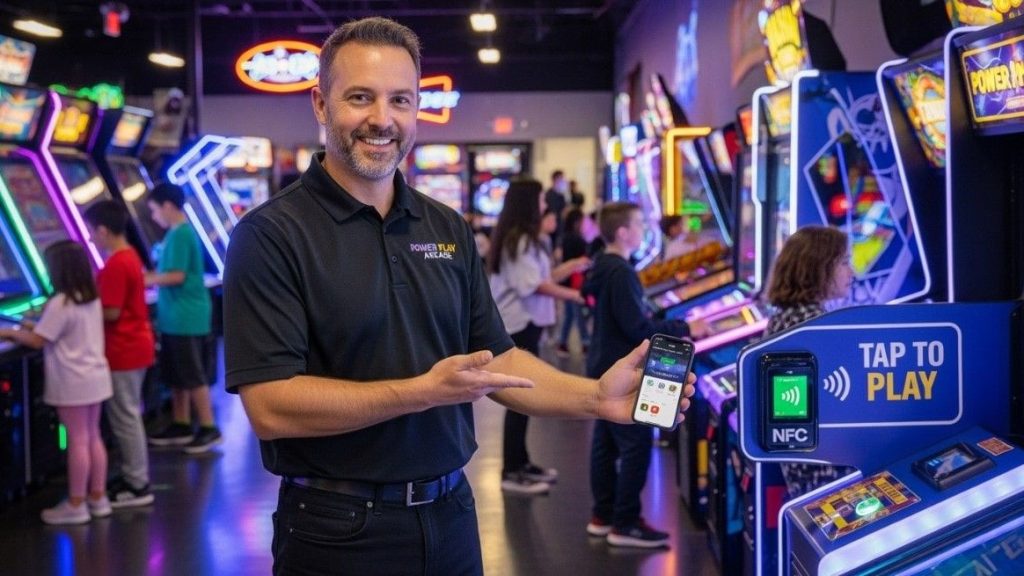
(delapantoto) – Arcade gaming has always been a symbol of fun, competition, and nostalgia. For decades, players lined up with pockets full of coins and tokens to enjoy their favorite arcade machines. However, as technology continues to evolve, the arcade industry has embraced a new era of convenience and efficiency through cashless payment systems.
Today, modern arcade machines are increasingly equipped with digital payment technologies that allow players to enjoy games without the need for coins or physical tokens. From tap-to-play cards to mobile wallet payments, cashless technology is transforming how players interact with arcade games and how operators manage their entertainment venues.
This shift is not only improving the gaming experience but also helping arcade operators increase efficiency, track performance, and offer more personalized promotions to customers.
The Evolution of Arcade Payments
Traditional arcade machines relied heavily on coins or metal tokens. Players would exchange cash at a counter for tokens and use them to activate games. While this system worked well for many years, it came with several challenges.
Operators had to constantly refill coin mechanisms, maintain token dispensers, and deal with mechanical wear and tear. In addition, counting and managing coins created operational inefficiencies.
With the rise of digital payment technology, the arcade industry began transitioning to card-based systems and mobile payment platforms. Instead of inserting coins, players now use rechargeable cards, wristbands, or smartphone apps to start games instantly.
This shift mirrors the broader global trend toward cashless transactions across industries such as retail, transportation, and entertainment.
How Cashless Arcade Systems Work
Cashless arcade systems are designed to simplify the payment process for both players and operators. These systems typically rely on a central management platform connected to each arcade machine.
Players purchase or recharge a game card or digital wallet at a kiosk or online. Once the card is loaded with credits, they simply tap or scan it at the arcade machine to start playing.
Most modern systems use technologies such as:
-
RFID cards
-
NFC contactless payments
-
Mobile payment apps
-
QR code scanning
These technologies allow transactions to happen instantly without the need for physical currency.
The result is a seamless gaming experience where players can move quickly from one machine to another without interruptions.
Benefits for Arcade Operators
The adoption of cashless technology offers several advantages for arcade operators and entertainment centers.
Improved Revenue Tracking
Cashless systems allow operators to monitor game performance in real time. They can see which machines are generating the most revenue and identify underperforming games that may need adjustment or replacement.
This level of data insight was nearly impossible with traditional coin-based systems.
Reduced Maintenance Costs
Coin mechanisms are prone to mechanical issues, jams, and wear over time. Removing coins from the equation significantly reduces maintenance costs and machine downtime.
Cashless systems also eliminate the need for frequent coin collection and manual counting.
Enhanced Customer Experience
Players prefer convenience, and cashless systems deliver exactly that. Instead of carrying coins or tokens, players only need a single card or smartphone to access every game in the arcade.
Many systems also allow players to reload credits quickly at kiosks or through mobile apps.
Targeted Promotions and Loyalty Programs
Another major advantage of digital payment systems is the ability to create personalized promotions.
Operators can reward loyal players with bonus credits, discounts, or exclusive rewards. By analyzing player data, arcades can design marketing campaigns that encourage repeat visits and longer play sessions.
Benefits for Players
While cashless technology benefits arcade owners, players also enjoy a more convenient and modern gaming experience.
Faster Gameplay
Without the need to insert coins, players can jump into games immediately. A simple tap of a card or phone activates the machine, allowing uninterrupted gameplay.
Easy Credit Management
Digital cards allow players to track their remaining credits easily. Some systems even show balances through mobile apps or kiosk displays.
Added Rewards and Bonuses
Many arcades use cashless systems to offer bonuses such as extra credits, birthday rewards, or promotional discounts. This adds an extra layer of excitement and value to the gaming experience.
Safer and More Hygienic
Cashless systems reduce physical contact with coins and tokens, making arcades cleaner and more hygienic environments for players.
Integration with Modern Arcade Technology
Cashless systems are also closely connected with other technological advancements in the arcade industry.
For example, many modern arcades integrate payment systems with:
-
Online leaderboards
-
Digital ticket redemption systems
-
Mobile game tracking apps
-
Interactive player profiles
This integration allows players to track achievements, compete with friends, and collect digital rewards.
Some arcades even allow players to reserve machines or participate in tournaments directly through mobile platforms.
Data Analytics and Smart Arcade Management
One of the most powerful aspects of cashless technology is the data it generates. Arcade operators can analyze player behavior, peak play times, and game popularity.
These insights help operators optimize their arcade layouts and select machines that attract the most attention.
For example, if racing simulators consistently generate high revenue, operators may decide to add more racing machines to their arcade floor.
Similarly, data analytics can help identify which games perform best with specific age groups or player demographics.
This data-driven approach helps arcades remain competitive in an increasingly digital entertainment market.
Challenges of Cashless Arcade Systems
Despite its advantages, transitioning to cashless technology also comes with challenges.
Initial setup costs can be significant, especially for large entertainment centers with hundreds of machines. Operators must install card readers, management software, and kiosks for card reloading.
In addition, staff must be trained to manage the system and assist customers who may be unfamiliar with digital payment methods.
However, most arcade operators find that the long-term benefits outweigh the initial investment.
The Future of Cashless Arcade Gaming
As digital payment technology continues to evolve, the future of arcade gaming will likely become even more connected and interactive.
Mobile integration is expected to play a major role. Players may soon be able to manage credits, compete in online tournaments, and track achievements entirely through smartphone apps.
Cloud-based systems will also allow arcade operators to manage multiple locations remotely and analyze performance across different venues.
Artificial intelligence and smart analytics may further personalize the arcade experience by recommending games based on player preferences and behavior.
These innovations will help arcades remain relevant in a world increasingly dominated by home gaming consoles and online multiplayer platforms.